Understanding & Growth

Assessments at
Hapana Fun Factory

We offer a range of comprehensive assessments to help you understand your child's unique needs and strengths. Our evaluations are conducted in a supportive, play-based environment to ensure comfort and accuracy.

Why Assessments Matter

Assessments provide a roadmap for your child's development. They help identify strengths, uncover challenges, and guide the creation of personalized therapy plans. Early understanding leads to timely support, boosting confidence and success in everyday life.

Not sure which assessment is right for your child? Our team is here to listen to your story and guide you to the best path forward. Call us at +94 77 748 1807.

Professional Evaluation
Child-Friendly Approach
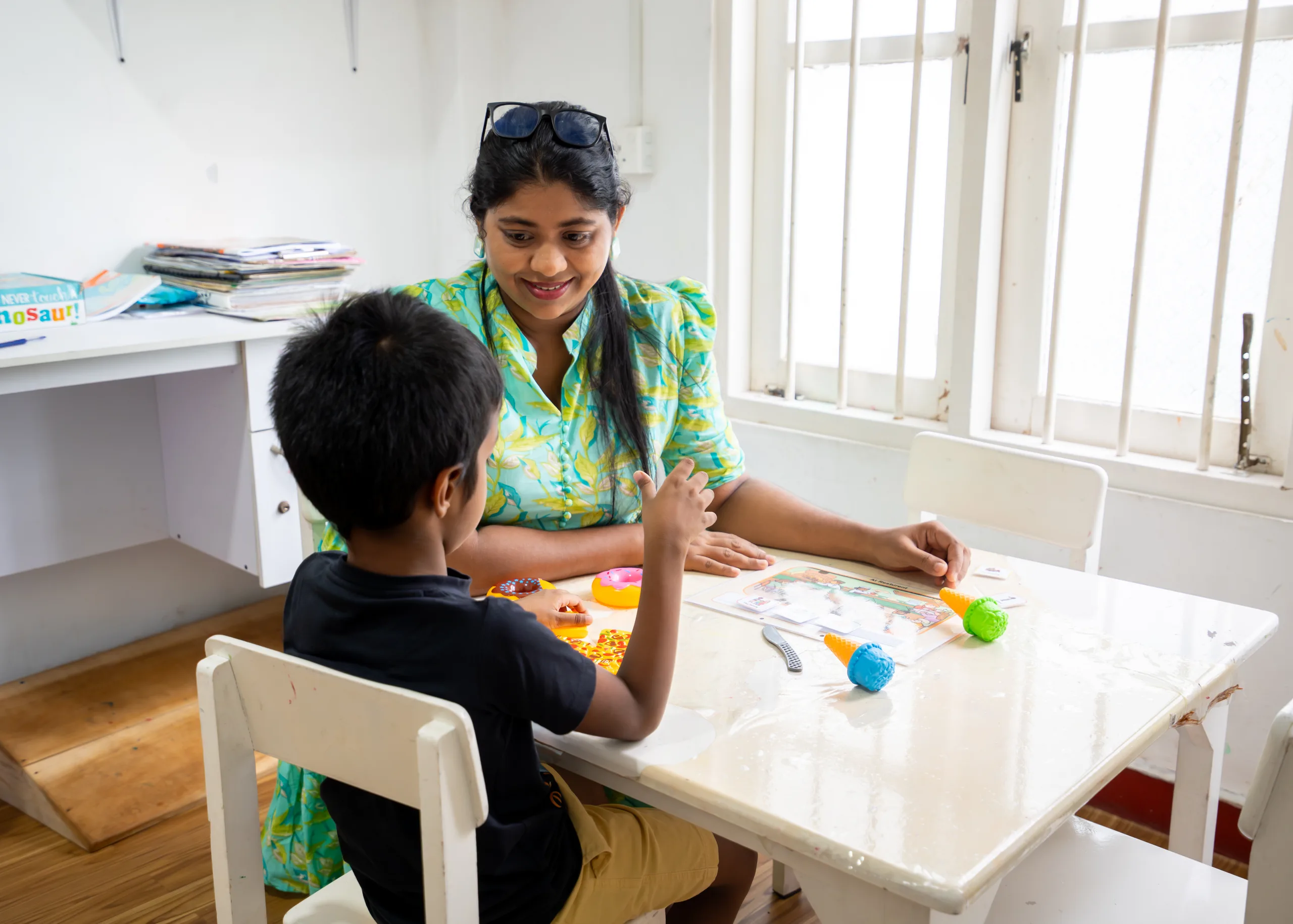
A child taking part in a supportive assessment session at Hapana

Assessment options

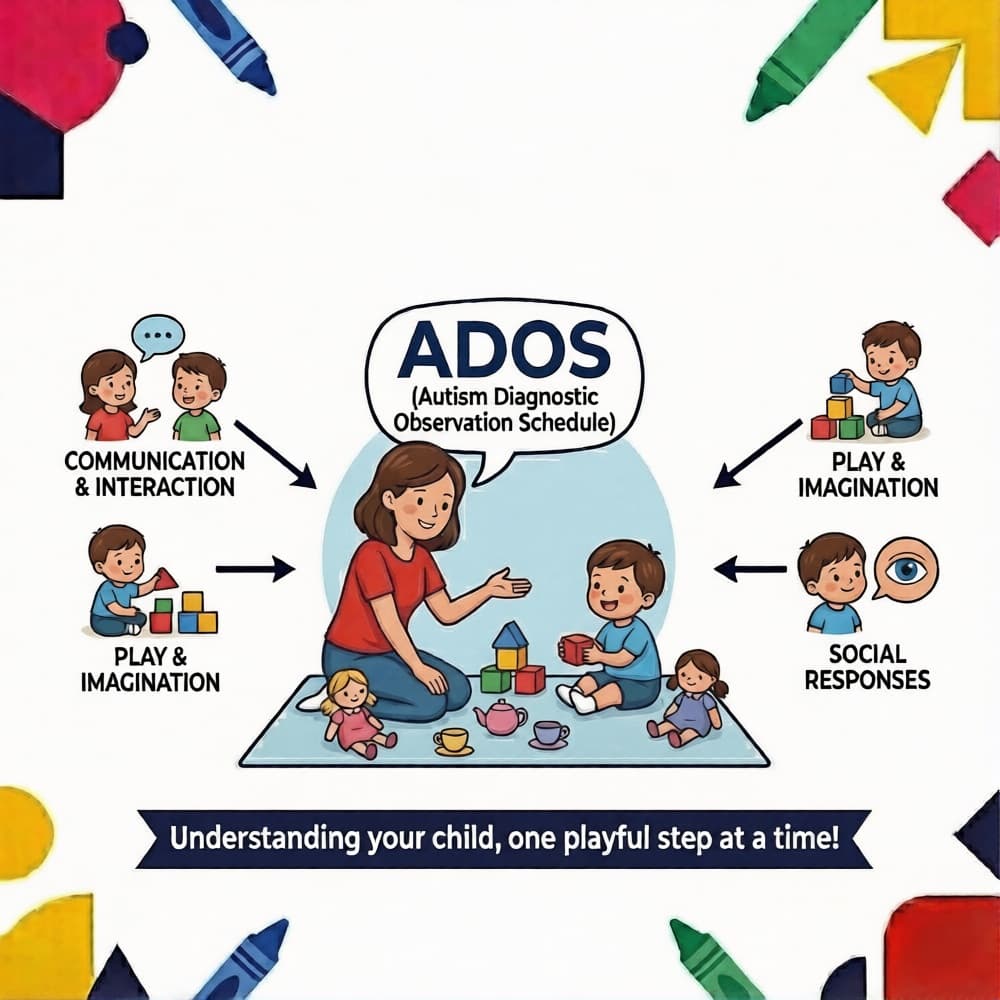
ADOS (Autism Diagnostic Observation Schedule)

ADOS (Autism Diagnostic Observation Schedule)

Understanding your child, one playful step at a time!

If your child has communication or play-related concerns, your Paediatrician, speech and language therapist, or occupational therapist may suggest further evaluation, or your main concern may simply be a speech delay. At Hapana Fun Factory, we offer the ADOS, a trusted observational assessment that helps professionals understand how a child communicates, interacts socially, and engages in play. Rather than being a test your child studies for, ADOS is a series of fun, age-appropriate activities where our trained clinicians observe your child's natural responses to social cues and tasks.

This assessment gives families a clearer picture of their child's strengths and challenges in social and communicative behaviors. Our team has more than 5 clinicians trained and certified in conducting ADOS (Autism Diagnostic Observation Schedule) assessments and we also have Paediatricians trained in carrying out the ADI-R (Autism Diagnostic Interview-Revised).

Because we understand what an autism diagnosis means for your family, our team takes the time to gather information from multiple sources before confirming anything. There are no blood tests, imaging scans, or similar procedures involved; our assessments are always play-based, combining a detailed history, direct observation, and a review of school and therapy records, sometimes including a visit to your child's preschool or school to build a fuller picture.

The insights help our team and parents plan personalized goals and therapy programs, and families receive a detailed report they can use to access services both locally and overseas. Because early understanding can make a big difference in growth and confidence, ADOS is often recommended when there are concerns about autism spectrum conditions. Beyond diagnosis, our team offers ongoing parent coaching, intensive programmes for families visiting from overseas, and continued support through every transition from preschool to school. At Hapana Fun Factory, our experienced team guides you through the process with care and support.
HINE (Hammersmith Infant Neurological Examination)

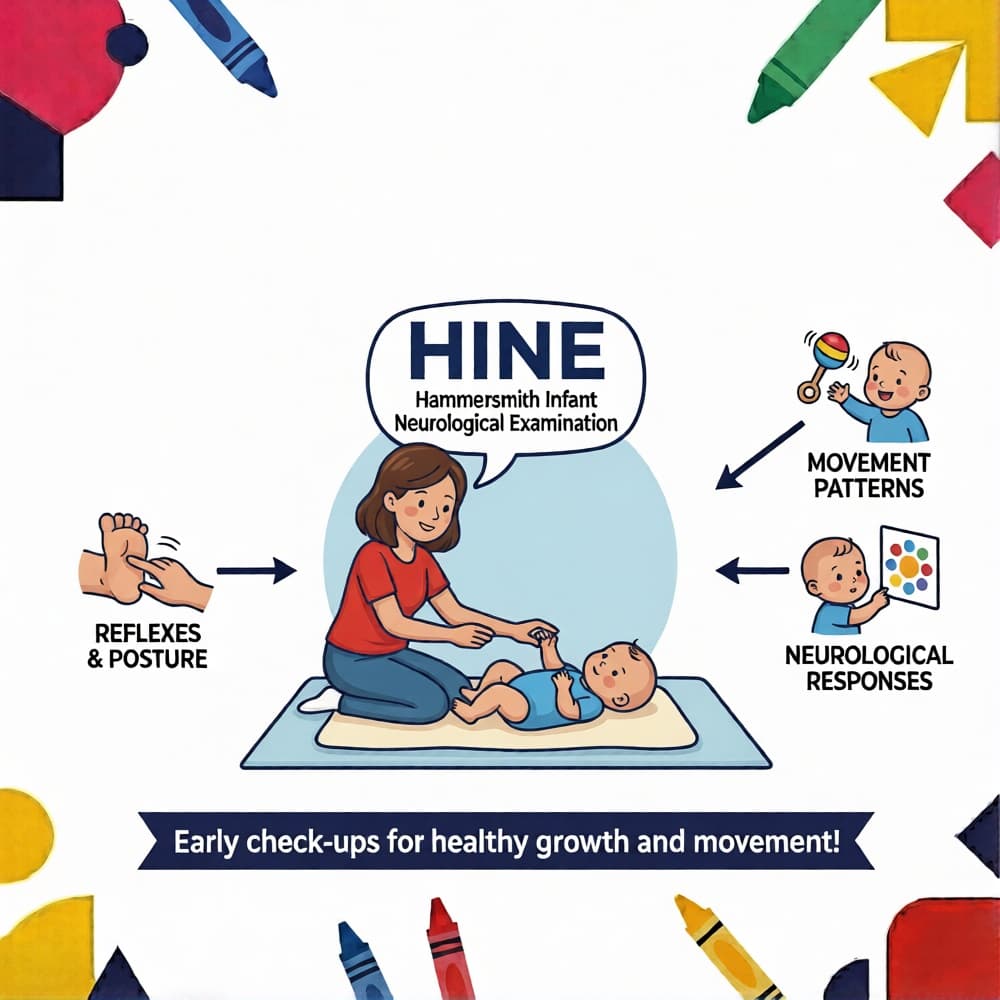
HINE (Hammersmith Infant Neurological Examination)

Early check-ups for healthy growth and movement!

The HINE is an infant neurological check-up we provide at Hapana Fun Factory for babies up to around two years old. It is a structured way to look at your little one's movement patterns, reflexes, posture, and overall neurological responses in simple and playful moments.

Instead of a long evaluation, HINE consists of quick, gentle observations and movements that do not stress your baby, using comfortable positions and natural responses. This assessment can help our team identify early signs of neuromotor differences so we can work with you and other specialists to support motor development as early as possible.

Rosetti Infant-Toddler Language Scale

Rosetti Infant-Toddler Language Scale

Discovering the first signs of communication!

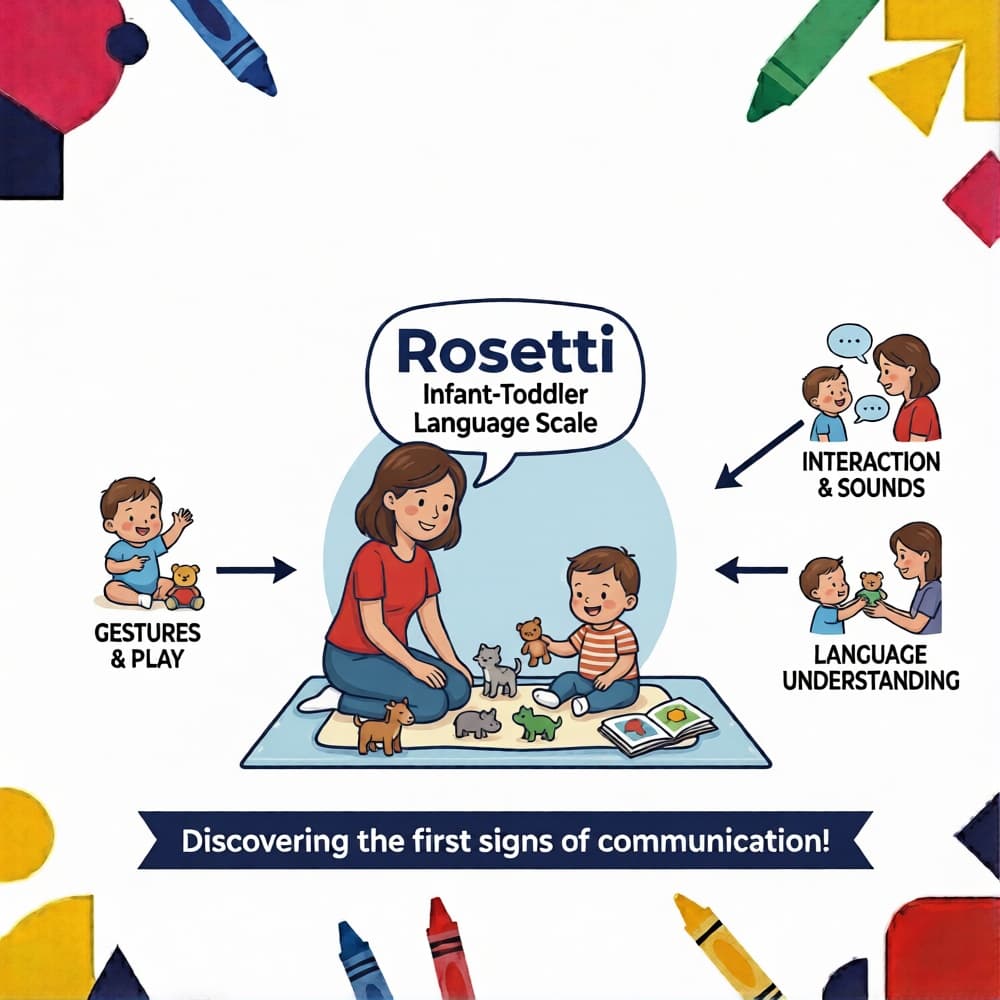
Communication begins long before the first word, and that is exactly why the Rosetti Assessment is such a valuable tool offered at Hapana Fun Factory. This play-based assessment looks at how babies and toddlers interact, use gestures, respond to sounds, and understand language in natural situations.

Unlike rigid tests, the Rosetti lets your child show what they know in moments of play, eye contact, and responsive behavior. The benefit for families is clarity: you will walk away with a practical understanding of your child's communication development, including strengths and areas where targeted support could help.

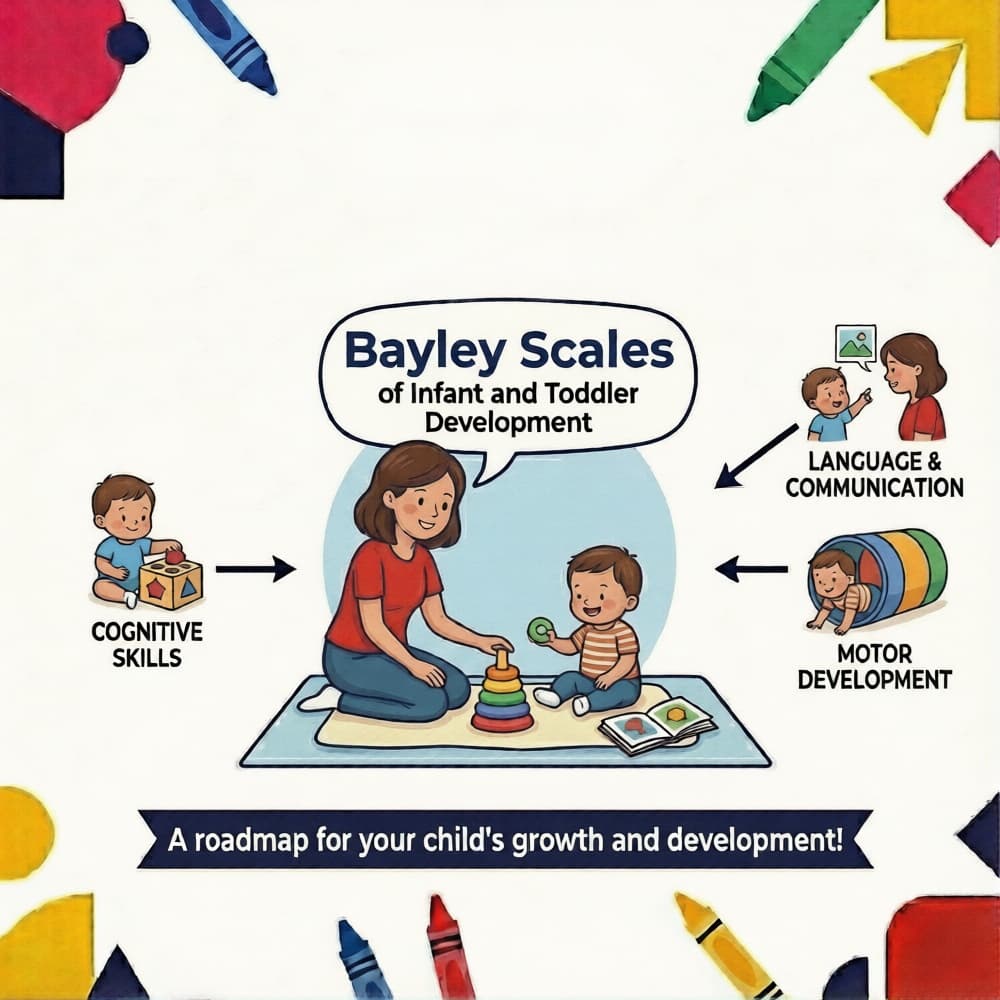
Bayley Scales of Infant and Toddler Development

Bayley Scales of Infant and Toddler Development

A roadmap for your child's growth and development!

The Bayley Assessment at Hapana Fun Factory is one of the most comprehensive ways to understand how a young child is growing across important areas like thinking, language, movement, and social skills. Through playful tasks and gentle interactions, our clinicians assess your child's cognitive, motor, and language abilities.

Parents often tell us Bayley results help them appreciate their child's unique profile, not just milestones but how their child approaches new challenges and interacts with the world. Whether it is early identification of areas needing support or reinforcing where your child is doing well, this assessment becomes a roadmap for tailored strategies.

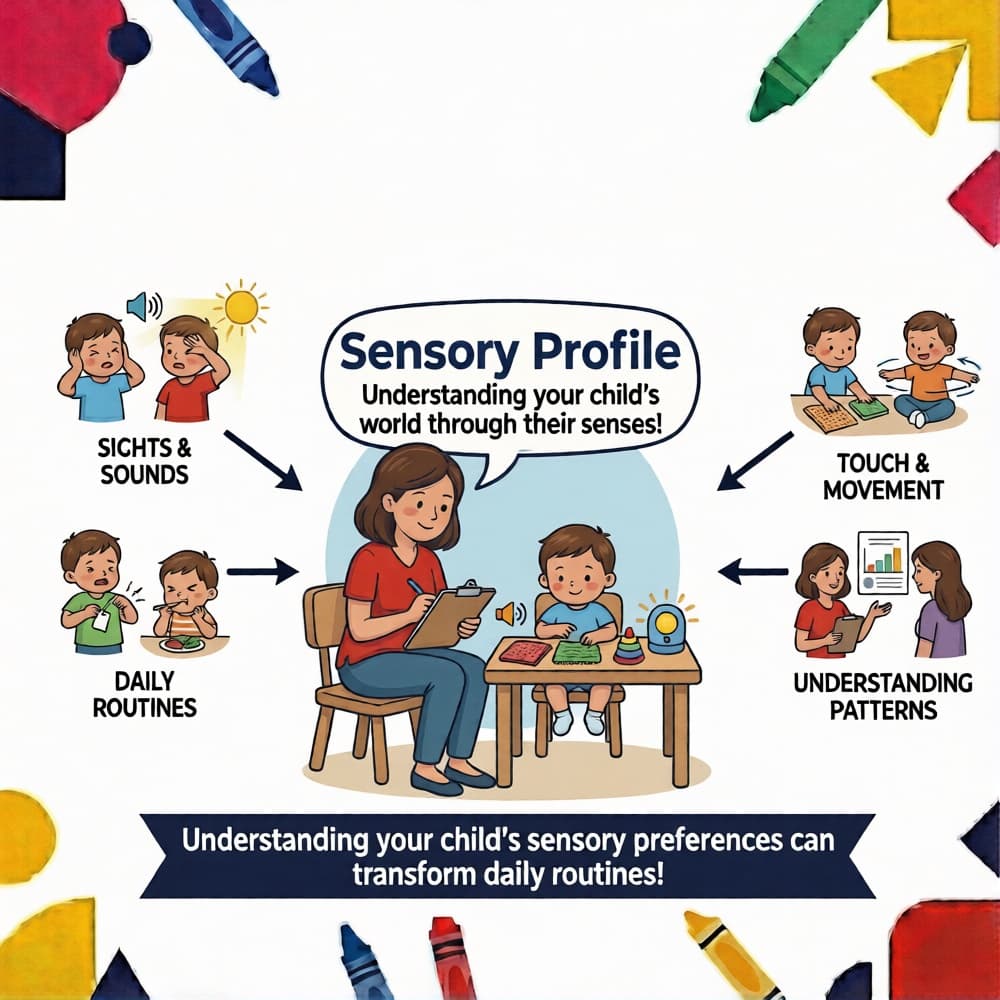
Sensory Profile

Sensory Profile

Understanding your child's world through their senses!

Children experience the world differently, and the Sensory Profile helps families and therapists understand your child's unique sensory patterns. At Hapana Fun Factory, this assessment uses caregiver-reported questionnaires and observations to uncover how your child responds to sights, sounds, touch, movement, and daily routines.

Why it matters: This insight is especially helpful when sensory sensitivities affect play, learning, regulation, or social interactions. Understanding your child's sensory preferences can transform daily routines and therapy planning, helping children engage more comfortably at home, in school, and in community activities.

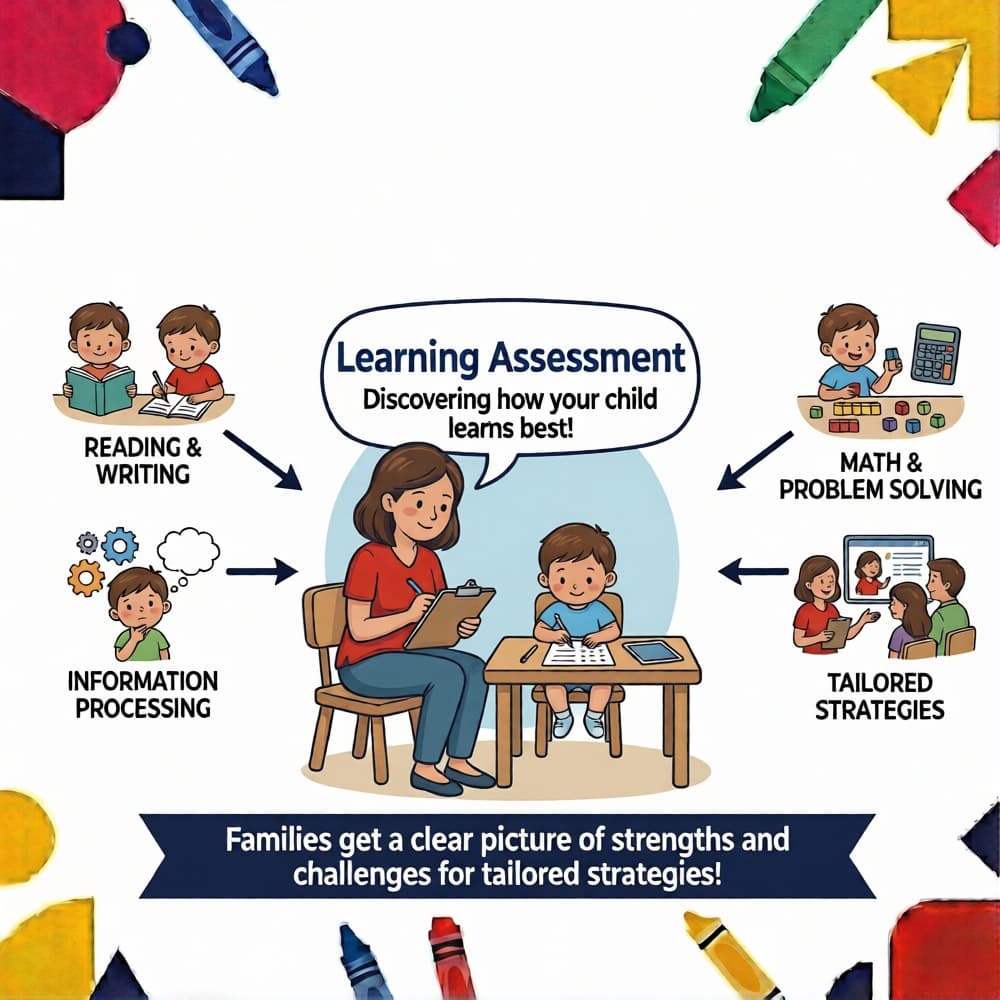
Learning Assessment

Learning Assessment

Discovering how your child learns best!

A Learning Assessment helps us understand how children process information, solve problems, and develop academic skills like reading, writing, and math. At Hapana Fun Factory, we observe and interact with your child in playful, stress-free activities that reveal their learning style and areas where extra support might help.

Why it matters: Families get a clear picture of strengths and challenges, allowing tailored strategies that make learning more enjoyable and effective. Early identification of learning difficulties ensures timely support, boosting confidence and motivation in school and everyday life.

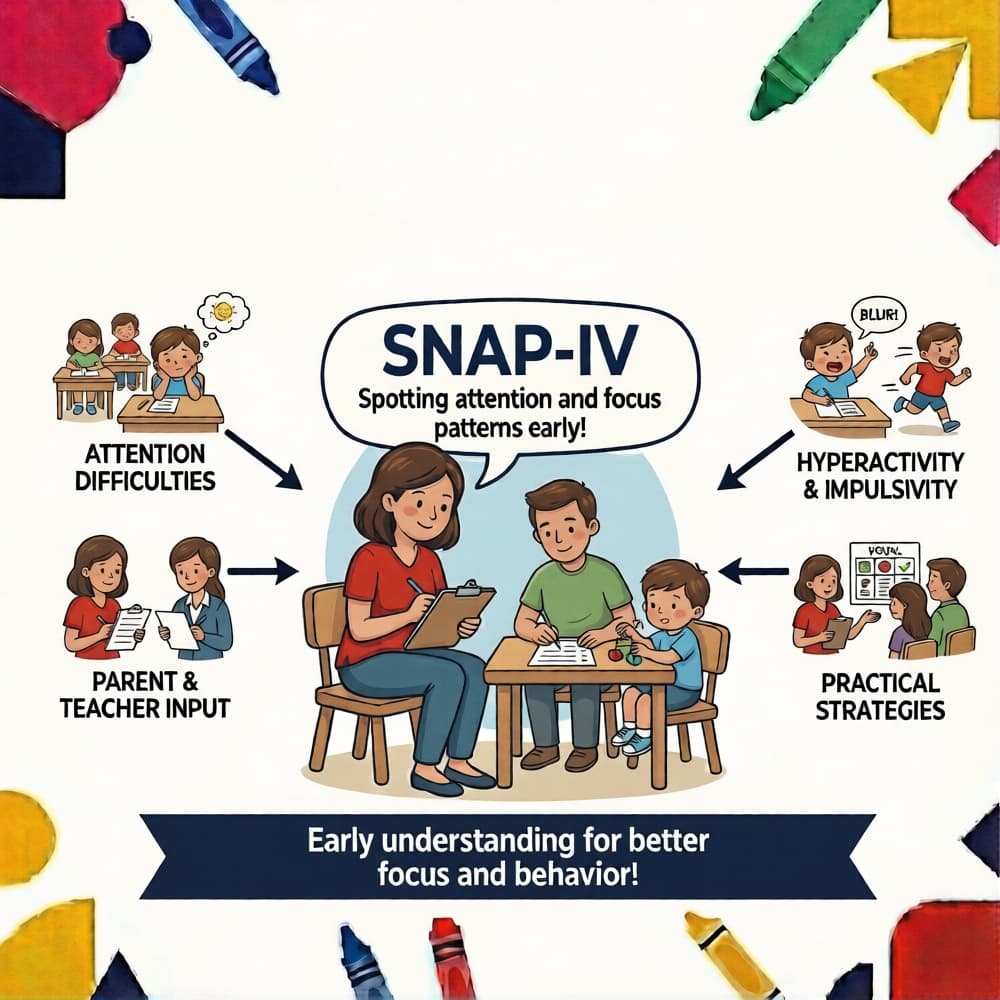
SNAP-IV

SNAP-IV

Spotting attention and focus patterns early!

The SNAP-IV is a simple questionnaire used to understand attention, hyperactivity, and impulsivity in children. At Hapana Fun Factory, parents or caregivers answer a few questions about daily behavior, while our clinicians interpret the responses to get a clear picture of attention and self-control skills.

Why it matters: This assessment helps identify challenges such as ADHD or related attention difficulties. Early understanding allows parents and therapists to develop strategies that support focus, behavior, and learning, helping children succeed both at home and at school.

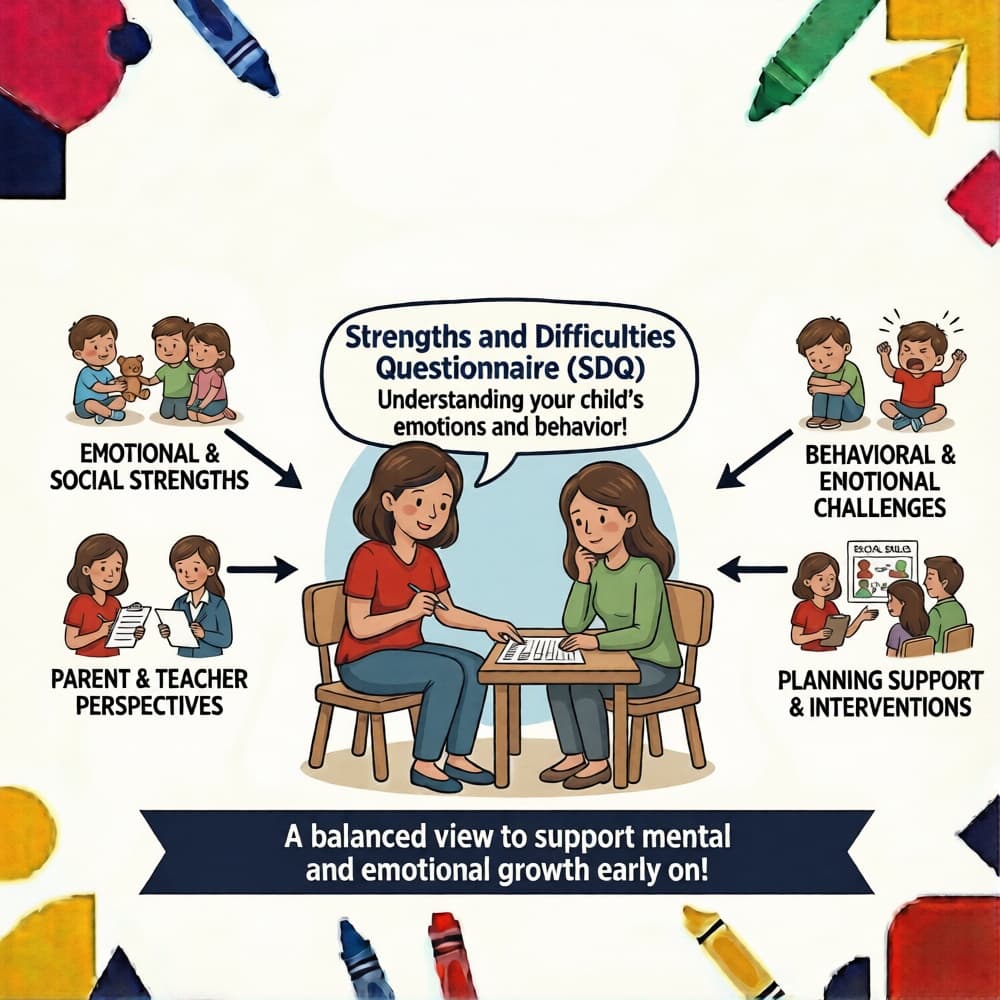
Strengths and Difficulties Questionnaire (SDQ)

Strengths and Difficulties Questionnaire (SDQ)

Understanding your child's emotions and behavior!

The SDQ is a brief screening tool that explores a child's emotional well-being, behavior, social relationships, and coping abilities. At Hapana Fun Factory, parents complete the questionnaire, and our clinicians review it to highlight strengths and areas needing support.

Why it matters: This assessment gives families a balanced view of both strengths and challenges, helping to plan interventions that improve social skills, emotional regulation, and overall development. It is a simple yet powerful way to support a child's mental and emotional growth early on.

Upper Extremity Evaluation

Upper Extremity Evaluation

Understanding arm, hand, and daily function!

The Upper Extremity Evaluation is a detailed assessment of the shoulder, arm, elbow, wrist, and hand, checking movement, strength, sensation, and function. At Hapana Fun Factory, our clinicians assess range of motion, muscle strength, coordination, tone, and fine motor skills to understand how your child uses their upper limbs in daily life.

Why it matters: Difficulties with the upper limb can affect everyday activities like dressing, writing, eating, and self-care. This assessment gives families a clear profile of your child's abilities and challenges, helping to guide a personalised therapy plan that improves function and independence in daily tasks.

General Movement Assessment (GMA)

General Movement Assessment (GMA)

Gentle early observation for babies!

The GMA is a gentle, non-invasive clinical method used to observe a baby's spontaneous movements, typically from birth to around 5 months of age. At Hapana Fun Factory, our clinicians observe your baby in a calm, alert state, often through video recording, without any handling or structured tasks, looking closely at the fluidity, variability, and complexity of their movements.

Why it matters: Early general movements can reveal important signs of brain and neurological development, sometimes before other symptoms appear. This assessment allows us to identify concerns such as cerebral palsy or developmental delay early, so families can begin early intervention or monitoring right when it matters most.

Activities of Daily Living (ADL) Assessment

Activities of Daily Living (ADL) Assessment

Building independence in everyday routines!

The ADL Assessment evaluates your child's ability to manage everyday self-care tasks such as feeding, grooming, dressing, bathing, toileting, and mobility. At Hapana Fun Factory, our clinicians assess this through observation, caregiver interviews, and structured tools where needed.

Why it matters: Understanding how independently your child can manage daily routines helps identify where they may need extra support. This assessment gives families a clear picture of your child's independence level and forms the foundation of a therapy plan focused on building functional daily living skills.

Gross Motor Function Measure (GMFM)

Gross Motor Function Measure (GMFM)

Tracking movement progress over time!

The GMFM is a standardised assessment that measures gross motor skills such as lying, rolling, sitting, crawling, standing, walking, running, and jumping. At Hapana Fun Factory, our clinicians guide your child through specific movement tasks in a structured setting, with performance scored based on ability, most commonly for children with cerebral palsy or other conditions affecting movement and posture.

Why it matters: Tracking gross motor development over time helps us see real progress after therapy and set meaningful goals going forward. This assessment gives families a clear, measurable way to understand your child's motor development journey.

Assistive Device Assessment

Assistive Device Assessment

Finding the right support tools for daily life!

The Assistive Device Assessment identifies the most suitable equipment to help your child improve independence in daily activities and mobility, covering mobility aids, seating systems, communication devices (AAC), writing aids, feeding tools, and other adaptive equipment. At Hapana Fun Factory, our clinicians assess this through observation, functional testing, caregiver interviews, and trial use of different devices in real-life activities.

Why it matters: Choosing the right device makes a real difference in a child's daily independence and confidence. This assessment ensures families receive a safe, appropriate, and effective recommendation, along with training on how to use it well.

Ready to unlock your
child's potential?

Schedule a visit or get a quick consultation over the phone. We are here to help your child and family thrive.

Free Initial Chat No Waiting List Family Centered